Happy Kid Wavy Retro Svg Design Review
As a designer who spends half my day staring at stitch charts and the other half worrying about whether a client’s logo will survive a wash cycle, I don’t just look at an embroidery file; I look at its potential. When Happy Kid Wavy Retro Svg Design landed on my desk, I didn’t immediately think of it as a simple clipart image. I thought about what it would look like stitched into the chest of a vintage-wash cotton tee or centered on a canvas tote for a busy parent. The market is flooded with generic graphics, but few capture that specific blend of nostalgic charm and modern usability without feeling cluttered or dated.
This review breaks down how this design performs in real-world application, focusing on the intersection of aesthetic appeal and technical feasibility for embroidery designers, small business owners, and craft entrepreneurs. Whether you are an Etsy seller looking to boost your shop’s visual identity or a hobbyist making a personalized gift, understanding the nuance of this file is crucial before you hit “start” on your machine.
First Impressions: Mood and Visual Personality
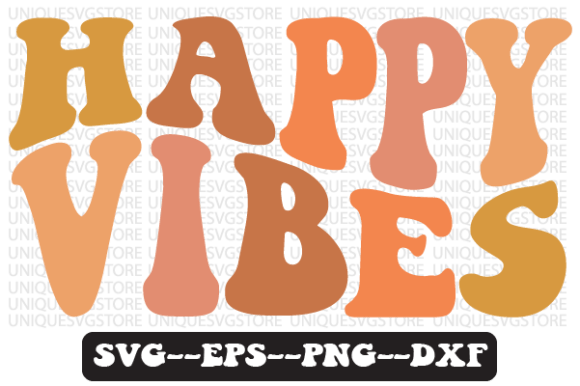
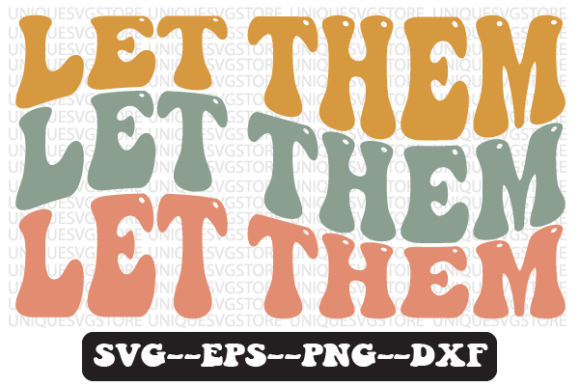
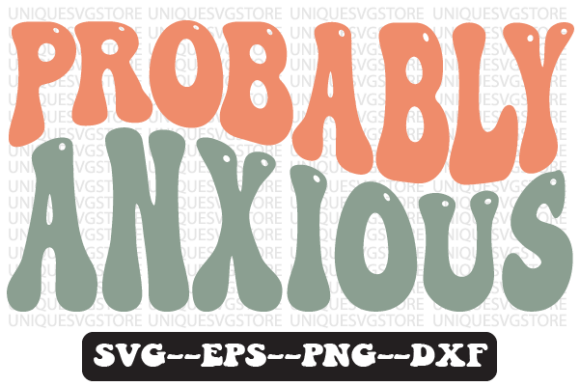
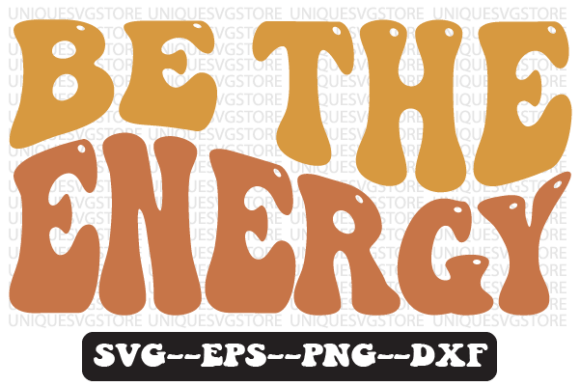
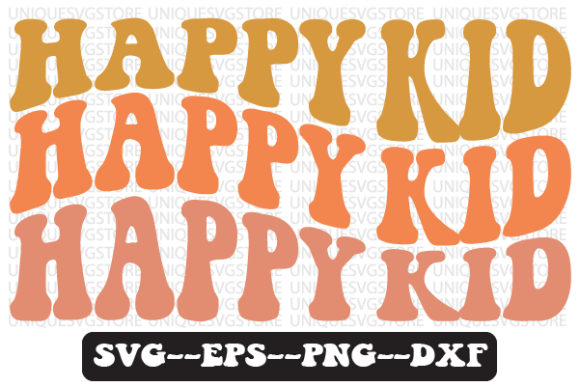
The immediate takeaway from Happy Kid Wavy Retro Svg Design is its energetic yet relaxed vibe. The wavy lines evoke a mid-century modern aesthetic that has seen a massive resurgence in home decor and apparel. It feels groovy without being overly psychedelic, making it accessible to a broad audience. For an embroidery project, this translates to a design that feels approachable and fun, perfect for items meant to bring a smile—like baby onesies, nursery wall art, or casual weekend wear.
From a layout perspective, the design balances negative space with sufficient detail to hold interest. In embroidery, too much detail can lead to a muddy result if the stitch density isn’t managed correctly. Here, the curves suggest a flow that works well with fill stitches or satin borders, allowing the thread to follow the natural movement of the graphic. This creates a finished product that looks intentional and polished, rather than like a rushed job. It screams “handmade boutique,” which is exactly the kind of brand consistency that helps small shop products stand out in crowded online marketplaces.
Real-World Application: Where This Design Shines
Let’s talk about where Happy Kid Wavy Retro Svg Design actually fits in a production workflow. I envision this file performing exceptionally well on soft goods that benefit from a touch of whimsy. Consider a custom embroidered tote bag made of sturdy canvas. The retro theme pairs beautifully with natural fabrics, creating a cohesive look that appeals to the eco-conscious consumer. The design’s versatility allows it to serve as a central focal point, drawing the eye without overwhelming the garment’s structure.
Another strong candidate for this design is baby apparel. The “happy kid” aspect makes it ideal for personalized gifts such as bibs, burp cloths, or hooded towels. When stitching on delicate baby fabrics, the smooth curves of this design minimize harsh angles that might irritate sensitive skin or cause fabric puckering. Furthermore, its adaptability extends to home decor. Imagine this design embroidered on a linen pillow cover for a child’s room or even as a decorative accent on a kitchen tea towel. The groovy aesthetic adds a playful touch to functional items, increasing their perceived value as a handmade product.
For Etsy sellers and craft business owners, the design’s broad appeal is a significant asset. It isn’t niche enough to limit your customer base, yet unique enough to avoid looking like every other item in a search result. You can easily create printable mockups featuring this design on sweatshirts, caps, and mugs to test market demand before committing to inventory. This flexibility makes it a valuable addition to your design assets, allowing you to pivot between seasons and trends with minimal effort.
Technical Considerations and Potential Pitfalls
While the aesthetic is strong, no design is flawless, and Happy Kid Wavy Retro Svg Design requires careful handling during the digitizing and stitching process. One area that demands attention is the stitch density. If the original file contains dense fill areas, stitching it on thin or stretchy fabrics could lead to distortion. Always check the stitch count and adjust the density if necessary, especially when working with fabric texture that doesn’t lay flat.
Another critical factor is hoop size. Designs with wide spans require larger hoops, which can be challenging to manage on curved surfaces like baseball caps or the sleeves of jackets. If you plan to use this for sweatshirt embroidery or embroidered patches, ensure your machine can accommodate the dimensions comfortably. Testing on scrap fabric first is non-negotiable. This step allows you to evaluate how the thread colors interact with your chosen material and to inspect any small details that might get lost in the stitching process.
Color contrast is also paramount. The retro style often relies on bold outlines or distinct color blocks. If you are stitching this on dark fabric, ensure you have a high-contrast thread palette ready. Conversely, on light backgrounds, subtle shading might disappear. I recommend creating black-and-white mockups to verify that the design’s silhouette remains clear regardless of color choices. Additionally, consider the end-use of the product. Items that undergo frequent washing, such as custom apparel or kitchen towels, need robust stitching techniques to prevent thread breakage or fading over time.
Practical Designer Notes for Best Results
- Stabilizer Selection: Use the appropriate stabilizer for your fabric type. A cut-away stabilizer is often best for stretchy materials to maintain shape, while tear-away may suffice for stable woven fabrics.
- Thread Quality: High-quality polyester threads offer better durability and sheen, enhancing the visual impact of the wavy lines.
- Licensing Check: Before selling finished items, confirm the licensing terms associated with the digital embroidery file. Ensure you have commercial rights if you intend to sell the final product.
- Mockup Testing: Create various printable mockups to see how the design scales across different products, from tiny hat logos to large tote bags.
Final Verdict: A Versatile Asset for Creative Entrepreneurs
In conclusion, Happy Kid Wavy Retro Svg Design is more than just a pretty picture; it is a functional tool for creators. Its retro charm, combined with a layout that respects the technical constraints of embroidery, makes it a smart choice for a wide range of projects. From holiday embroidery gifts to everyday commercial embroidery pieces, this design offers the balance of style and substance that modern consumers expect.
For those looking to elevate their craft business or add a personal touch to homemade items, this file provides a solid foundation. By paying attention to technical details like stitch density, fabric choice, and color contrast, you can transform this digital asset into a tangible, high-quality finished product that customers will love. It’s a reminder that good design isn’t just about how something looks on screen—it’s about how it feels in the hand and holds up over time.